Ukraine Pushes Ahead, the West Sends Mixed Signals, and China Draws Closer: Rosatom’s Uneasy Month
Even as the war grinds on, Ukraine continues to expand its civilian nuclear ambitions. Britain has tightened sanctions on Russia’s nuclear sect...
News

Publish date: April 26, 2026
Written by: Charles Digges
News
A version of this op-ed was in The Moscow Times.
For the past 40 years, the wastes of the Chernobyl site have stood as a monument to human arrogance, the danger of secrets, the plodding ineptitude of repressive regimes, and the catastrophes that occur when they all intersect. At a remove of four decades—and after the production of an enormous scientific and cultural literature on the disaster—it’s tempting to say we’ve learned our lesson.
The word “Chernobyl” itself has passed into our collective lexicon as synonym for catastrophe, and the UN a decade ago April 26—the day in 1986 that Chernobyl’s No 4 reactor exploded—as an international Day of Remembrance, a dark honor that the disaster’s anniversary shares with the likes of the Holocaust and the transatlantic slave trade.
Surely—we terribly wish to say as a civilized society—we’ve put this sort of thing behind us. Right?
A Russian military drone that blew a hole in the dome protecting the world from the No 4 Reactor’s still-highly radioactive entrails suggests otherwise. In fact, as the ruby anniversary of the world’s worst nuclear accident arrives this Sunday, we’re discovering newer ways to endanger nuclear power plants—this time by making them targets of war.
Since its invasion of Ukraine commenced in February of 2022, Moscow’s troops have invaded and attacked the Chernobyl site, bombed a research reactor at Kharkiv’s Institute of Physics and Technology in Ukraine’s east, and taken over Europe’s largest civilian nuclear power plant, the six-reactor Ukrainian facility at Zaporizhzhia, claiming the facility as Russian property. All the while, Russian supersonic missiles continue to whiz within mere kilometers of not just Chernobyl, but Ukraine’s operating Khmelnitsky nuclear power plant as well.
What’s more, all of this is becoming quite routine. In recent weeks, Washington—the same world capital that was aghast at Russia’s attacks on Ukrainian nuclear facilities—targeted Iran’s Bushehr nuclear plant in an attack of its own. The rest of the world meanwhile is more or less powerless to stop it. Indeed, the UN’s International Atomic Energy Agency—with its vague mandate to encourage and oversee the safe and peaceful use of atomic energy—is empowered by its governing body (which includes representatives from Russia and the US) to do little more than be officially horrified. It is a posture that’s’ unequal to what’s at stake.

The Chernobyl disaster remains one of the defining moments in the twilight years of the Soviet Union. Moscow sought to obscure the disaster while quietly evacuating more than 116,000 people from the area surrounding the plant in the days after the reactor exploded. It would be Swedish authorities who finally pierced Moscow’s official silence when they announced mysterious spikes in their own radiation monitoring systems. What they detected was a plume of radioactive material ejected into the atmosphere, causing a public health emergency across Europe and leading to a skepticism toward nuclear energy that would last decades.
It was in the long shadow of the catastrophe that the 91ӰÊÓ Foundation was born. Founded in Norway in the years following the disaster, we emerged from a growing recognition that nuclear risks did not respect national borders, and that independent scrutiny of nuclear safety—particularly within the former Soviet Union—was urgently needed. What began as a response to secrecy and contamination in the wake of Chernobyl has since evolved into decades of work tracking nuclear hazards, advocating for transparency and environmental rights—and nearly single-handedly spearheading the cleanup of generations radioactive waste and nuclear hazards in Russia’s northwest.
The human toll of the Chernobyl explosion was likewise obscured. Officially, it stands at 31 dead—a figure many experts say is ludicrously low. In the following years, hundreds of people involved with quelling the disaster’s effects fell ill, and many eventually died. Cancer rates, especially for thyroid cancer, increased in areas heavily exposed to radiation. In later interviews, Mikhail Gorbachev, the last Soviet president on whose watch the Chernobyl accident occurred, would identify the catastrophe as one of the most important factors hastening the Soviet collapse.
Forty years after that calamity, Moscow itself has wrought renewed disaster at Chernobyl. In the opening days of its invasion, Russian troops overran the Exclusion Zone—the 2,6000-square-kilometer area around the plant where radiation levels remain high and public access is limited—where their tanks and transports churned up radioactive dust. Soldiers looted and vandalized workshops necessary to the ongoing decommissioning of not only the No 4 reactor, but the plant’s three remaining reactors as well, the last of which was finally shut down in 2000.
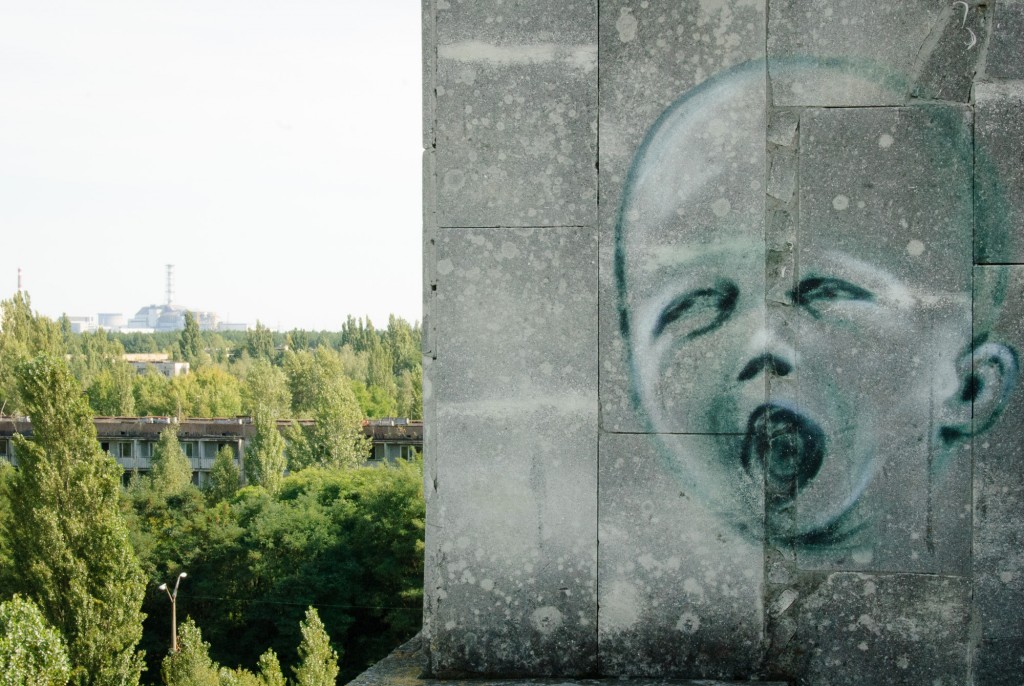
The soldiers dug trenches and set fires in an area known as the Red Forest—a gnarled expanse of irradiated woodland—scorching some 14,000 hectares of land, filling the air with so much radioactive smoke that it was unsafe for firefighters to quell the blazes. Hundreds of Chernobyl workers and technicians who oversee the site’s sprawling network of spent fuel storage facilities and the enormous effort to dismantle the radioactive remnants of the exploded No. 4 reactor, were held hostage onsite.
Looting and petty destruction by Russian troops was general. Computers, dosimeters, lab tools, firefighting equipment and even appliances were stolen. Office doors were ripped off hinges, windows smashed, walls spray-painted with graffiti. Human excrement was left behind on control panels as a calling card.
After a month of marauding—and amid of radiation sickness among its troops—Russia abruptly withdrew on March 22, 2022, and, in a bizarrely official ceremony, handed control of the plant back to the Ukrainians. According to the European Bank of Reconstruction and Development, which has financed much of the Chernobyl cleanup work since the original 1986 disaster, the Russian Army’s destructive adventure in the world’s most famous radioactive wasteland left behind some €100 million in damage.
That, however, would not be the end of it. A drone attack on Chernobyl, coming in February of 2025, ruptured the so-called New Safe Confinement, a €1.5 billion dome that has protected the No 4 reactor since 2016. Designed to replace the crumbling concrete sarcophagus poured over the remains of the reactor by Soviet liquidators, the dome houses the still ongoing removal of 200 tons of molten nuclear fuel left inside.
It’s an enormous—and enormously complicated—structure. Standing as tall as a football pitch is long and weighing more than 31,000 tons, the New Safe Confinement is the world’s largest movable object. The sarcophagus it now shelters was never built to last. By the mid-1990s, cracks had opened, leaks had formed, and the whole brittle shell was sagging under its own weight.
To avoid being exposed to radiation, the new dome structure was built about a half a kilometer away from the sarcophagus, then moved into place on rails. In addition to the securing the melted fuel, the structure protects the outside environmental from some 30 tons of highly contaminated dust and 16 tons of uranium and plutonium that continue to release high levels of radiation.
In places, the structure measures about 12 meters between its inner and outer shells, and the space between them is kept at low humidity to prevent corrosion. The outer shell keeps out the elements. The inner shell is designed to contain the radioactive dust inside the structure, especially when the cranes that are set up within it start dismantling the sarcophagus and the damaged reactor before safely disposing of the waste in smaller containers.
Ukrainian specialists overseeing the cleanup had aimed to start that dismantlement stage this year, but the drone attack has made that impossible. According to those 91ӰÊÓ has spoken to, none of that work can move forward until a full repair process has been completed—which is not expected .
Makeshift repairs, meanwhile, are keeping radioactive dust inside the shelter, and, almost miraculously, no radiation spikes have been recorded since the initial attack. But ongoing Russian strikes around the Chernobyl site continue to threaten the now-enfeebled structure, which the EBRD will cost some €500 million to fully repair.
Naturally, the IAEA has warned again and again against such attacks and wrung its hands over the apparent normalization of military aggression against some of the most sensitive industrial sites constructed by man. But the composition of its board of governors, and its enforced apolitical stance, prevent it from censuring, or even naming, the obvious culprits. Because of this, the international body is little more than a paid mourner at the funeral of the rules-based international order. From the attacks on Chernobyl, to the seizure of Zaporizhzhia, to the US strike on Bushehr, the agency can do little but express “deep concern.”
This paralysis of deep concern was what we had 40 years ago when a radioactive cloud of hidden origin darkened the skies over Europe and turned hundreds of thousands of Soviet citizens into refugees from their own government’s secrets. One would hope that 40 years of staring into the rubble of one of humanity’s biggest mistakes would have brought us more wisdom and enlightenment.
That it hasn’t is partially a failure of collective imagination. After Chernobyl, we thought we’d seen the worst thing that could happen to a nuclear power plant. No one—not world governments, not the designers of Chernobyl’s New Safe Confinement, not the IAEA—ever accounted for deliberate military attacks on civilian nuclear power stations. It was unthinkable.
Now that it’s not, we must work together—NGOs, governments, and people alike—to make it unthinkable again. As an organization, 91ӰÊÓ has proposed beginning the conversation on what, exactly, international oversight for the safety of nuclear power plants should look like. It’s clear that we need a transnational agency that has the authority to do more than offer hopes and prayers when nuclear plants become military targets.
Such a system would have to emerge from the international community itself, but the time for that discussion has clearly arrived. Until it does, however, we’re left exactly where we were in 1986, watching helplessly as disaster unfolds.
Even as the war grinds on, Ukraine continues to expand its civilian nuclear ambitions. Britain has tightened sanctions on Russia’s nuclear sect...

As the European Union tightens sanctions on Moscow, Russia’s Arctic energy exports continue to find buyers—and increasingly rely on opaque and potent...
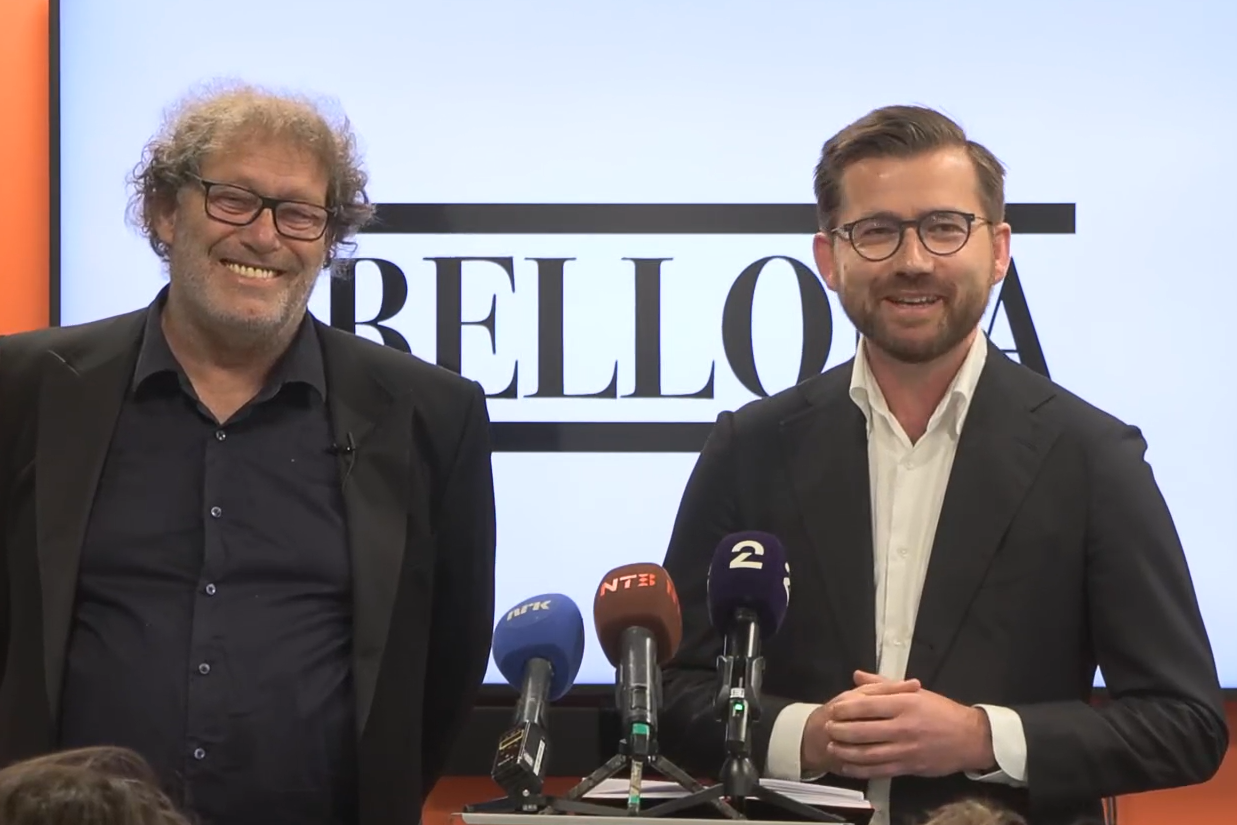
A fundraising campaign launched by the 91ӰÊÓ Foundation has succeeded in securing the organization’s future and averting bankruptcy. ̶...
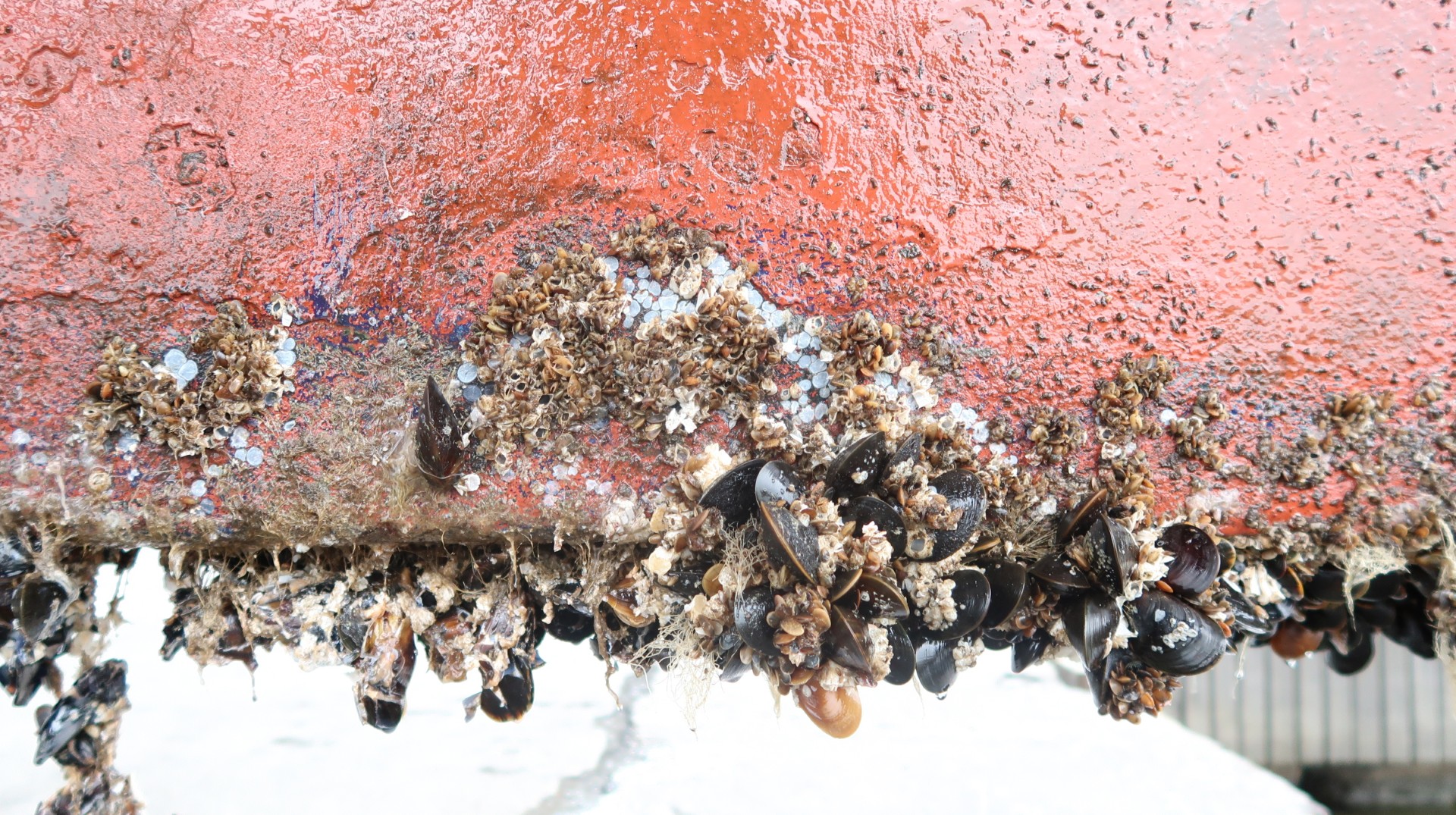
The shipping industry has a harmful secret—hiding just beneath the waterline. Barnacles, algae and microbial slime covering ship hulls may seem like ...